




























































Buy Webbing Strap – Strong Webbing for Bags, Backpacks and DIY Projects
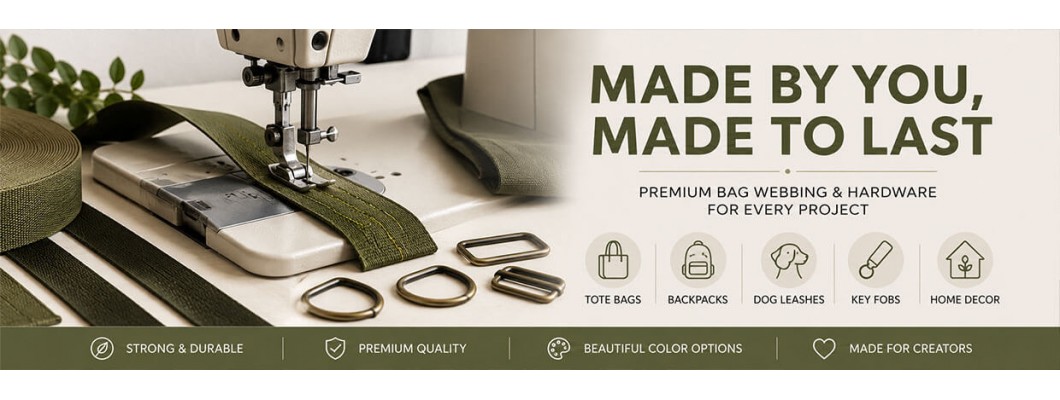
Webbing Strap: the Small Secret Behind Strong Bags and Smart DIY Projects
You know the feeling: you lift a heavy shopping bag and, at that exact moment, the handle gives up. Or you spend hours sewing a beautiful backpack, only to find that the shoulder strap already feels weak and stretched after one day of use. The secret behind a bag that truly lasts? Good webbing strap. And once you know what you can do with it, you will never want to be without it again.
What is webbing strap exactly?
Webbing strap is a flat, woven band specially designed to handle tension and weight — think of the load of a full weekend bag or the pulling force of a dog on a lead. It may look like a small, unremarkable material, but without webbing strap, things literally fall apart.
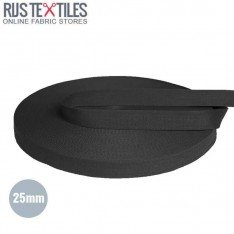
At Rijs Textiles, we offer webbing strap in two materials and two widths:
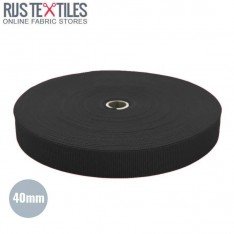
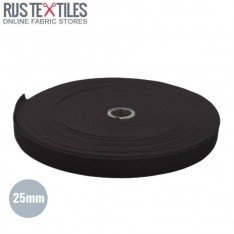
- Polypropylene webbing strap (25mm and 40mm) — synthetic, water-resistant and very strong
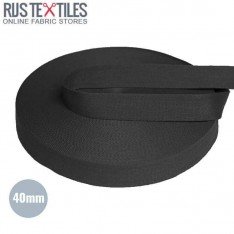
- Cotton belt webbing (25mm and 40mm) — natural, soft and with a warm appearance
Both have their own character, and the right choice depends on what you are making — and how you want to use it.
Polypropylene or cotton: which one should you choose?
This is the eternal question in the world of bag making. Let’s explain it without unnecessary technical fuss.
Polypropylene webbing strap is the workhorse among webbing straps. It does not absorb water, dries extremely quickly and stands up well to mud, rain and the test of time. Ideal if you are making a bag for outdoor use, travel or sporty adventures. Another advantage: you can seal the cut edge with a lighter or heat cutter, so fraying is not an issue. Practical, strong and available in no fewer than 15 colours.
Cotton belt webbing is the romantic of the two. Soft, warm and with that natural look that pairs beautifully with linen and canvas. If you are making a market bag, shopping tote or stylish shopper, cotton belt webbing adds exactly that extra bit of character. The material — 90% cotton and 10% polyamide — combines the softness of cotton with just enough strength to carry even heavy groceries.
What can you make with webbing strap?
More than you might think. Much more. Here are a few ideas:
Bags and backpacks
This is, of course, the classic use. Whether you are sewing a tote bag for the market, a sturdy backpack for school or a luxury weekend bag for a city trip — webbing strap is the backbone of every project. Use the 25mm version for lighter handbags and shoulder straps, and the 40mm version when it really needs to be strong.
Dog leads and harnesses
Did you know that many professional dog leads are made from exactly this type of webbing? Polypropylene is the go-to choice here: water-resistant, easy to clean and strong enough even for enthusiastic pullers. Cotton belt webbing is a good option if your dog has sensitive skin or if you want to create something handmade and special.
Keychains and wrist straps
A 20-centimetre piece of webbing, a snap hook, and you are done. Quick projects, fun gifts — and you can vary endlessly with colours.
Belts and belt loops
Yes, really. A handmade belt made from cotton belt webbing with a bold buckle looks fantastic and is surprisingly easy to make. Choose a width that fits your buckle and you can be finished within half an hour.
Decoration and interiors
Wall hangings, macramé projects, plant pot holders — cotton belt webbing is excellent for decorative applications. The natural colour of ecru or white fits into any interior, but with the vibrant colours in our range you can also make a real statement.
Bookmarks and packaging
Small but lovely: a piece of cotton belt webbing as a bookmark or as ribbon around a gift. Quick, personal and far more charming than standard gift ribbon.
Washing: what should you keep in mind?
Now for the practical part. Because a handmade bag that shrinks or loses its shape after the first wash — that would be a shame after all your hard work.
Washing polypropylene webbing strap
Polypropylene is synthetic and does not absorb water, so in most cases it hardly needs washing. A damp cloth or a quick rinse is often enough. Do you still want to put it in the washing machine? Use a cold or lukewarm programme, up to 30°C. High temperatures can deform or even melt the fibres — and that is definitely not what you want. Do not tumble dry; always air dry.
Washing cotton belt webbing
This needs a little more attention. Cotton tends to shrink during the first wash, especially at higher temperatures. Our tip: wash the webbing once at 40°C before sewing it into your project. That way, the shrinkage happens before you start sewing, and your bag will still fit perfectly after the first wash.
For finished projects: wash at 30–40°C, inside out if possible, and let them air dry. No tumble dryer — cotton and heat are not friends if you want to keep the shape and size intact.
And what about the cut edges?
With polypropylene, you can melt the cut edge closed — no frayed ends. With cotton, that does not work. For cotton webbing, finish the edge with a zigzag stitch on your sewing machine, a little textile glue, or fold the edge neatly under and stitch it down. The last option immediately gives a professional finish.
Tips for beginners
- Buy a little more than you think you need. Webbing strap is inexpensive per metre, but running short halfway through a project is frustrating. Always allow 10–15% extra.
- Test your buckle beforehand. Not every “25mm” buckle is truly 25mm. Slide the webbing through before you start sewing.
- Use a jeans or leather needle. Webbing strap is thicker than regular fabric. A strong needle helps prevent broken needles and uneven stitches.
- Stitch several times over the attachment points. This is where most of the force is applied. A double or triple seam at the handle attachment can make the difference between a bag that lasts for years and one that fails with the first heavy grocery load.
- Can’t choose between the colours? Go for the value pack of 5 × 50 metres. You pay less per metre and always have the right colour at hand.
Inspiration: a simple tote bag in one hour
Never made a bag before, but ready to start? A tote bag is the perfect beginner project. You will need:
- A piece of canvas or linen fabric, approx. 35 × 80 cm
- 60 cm of 25mm cotton belt webbing in a colour of your choice
- Sewing machine, thread and scissors
Fold the fabric in half, sew the sides closed, fold over the top edge and stitch the webbing in place as handles. Done. Seriously — that is all. Your first handmade bag in under an hour, and it immediately looks professional.
Ready to get started?
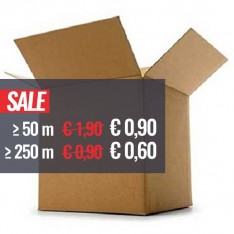
Whether you are an experienced bag maker or touching a sewing machine for the very first time — good webbing strap makes all the difference. View our complete range of cotton and polypropylene webbing strap and choose the version that suits your project. With colours for every mood, volume pricing for larger projects and a value pack if you really want to get started.
Happy sewing!